

Quick Answer
Construction trash removal starts with a clear look at what you have: how much debris, what materials are in the pile, and whether anything needs special handling. From there, choose between a dumpster rental or labor-included hauling, make the site accessible, and use a provider that follows disposal rules. If you want a quick overview of when labor-included service makes sense, this guide on full-service junk removal benefits is a useful starting point.
When a remodel wraps up, the work usually isn't really over. You're left with broken drywall, cut lumber, old cabinets, flooring, tile, packaging, and a mess that blocks the next step.
That last part matters more than many contractors and homeowners expect. In 2018, the United States generated approximately 600 million tons of construction and demolition debris, more than twice the amount of municipal solid waste produced that year, according to Waste Advantage's write-up on construction waste management. If you're trying to compare options and budget for a project, it also helps to look at broader disposal factors, including commercial renovation waste disposal costs, because the same practical issues show up on small local jobs and larger commercial cleanups.
Assessing Your Debris and Making a Plan
The fastest way to get construction trash removal wrong is to guess. A pile that looks manageable from the driveway can turn into multiple loads once you separate heavy material from bulky material.
Start by estimating volume in simple terms. If you don't think in cubic yards, think in pickup truck beds, stacked debris piles, or how much space the material would take if it were loaded tightly instead of scattered.
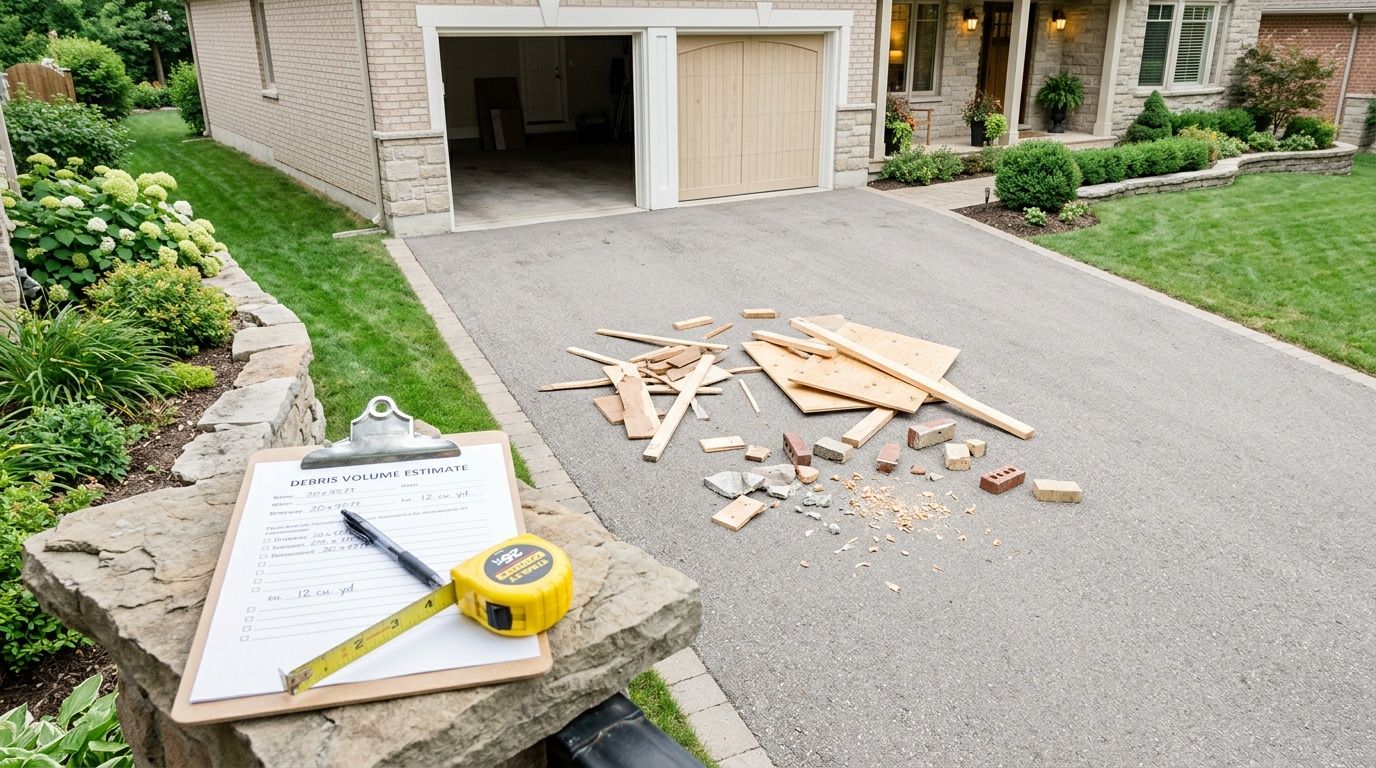
Estimate the pile before you call
A clean estimate saves time on the phone and prevents surprises on job day. Walk the site and separate what you're seeing into rough groups.
- Light but bulky debris like cardboard, insulation wrap, plastic, and empty packaging fills space fast.
- Heavy debris like concrete, brick, tile, dirt, mortar, and roofing material may look compact but changes hauling needs quickly.
- Mixed renovation debris such as drywall, lumber offcuts, flooring, trim, doors, and cabinets usually takes the most sorting.
- Metal items should be kept visible and separate if possible, since they don't load the same way as breakable mixed debris.
For larger jobs, square footage helps ground the estimate. New construction projects generate an average of 3.9 pounds of waste per square foot, while building demolition produces approximately 155 pounds per square foot. A 50,000 square foot new build creates 98 tons of waste, while its demolition can generate 3,875 tons, as outlined by Junk King's construction debris removal guide.
Practical rule: If the pile includes both heavy masonry and light mixed junk, treat them as different removal problems, not one load.
Identify material types before pickup day
The next step is sorting by type, even if you're not doing a full separation. That doesn't mean making the site look perfect. It means knowing what the crew or container will be dealing with.
A basic field list usually looks like this:
| Material | Why it matters |
|---|---|
| Wood | Loads quickly, but treated or painted wood may need special attention |
| Drywall and plaster | Breaks apart easily and can contaminate other material if it's wet |
| Concrete, brick, tile | Heavy enough to affect equipment choice and load planning |
| Metal | Easier to separate and often worth keeping out of mixed debris |
| Fixtures and cabinets | Bulky, awkward, and often slower to remove from interiors |
If you're trying to picture dumpster capacity more clearly, this local guide on how much a 10, 15, or 25 yard dumpster actually holds helps translate container size into real cleanup volume.
Flag anything that might need special handling
Older materials deserve a second look. If the debris came from an older roof, old flooring, pipe wrap, siding, textured surfaces, or painted trim, don't assume it belongs in the same pile as general trash.
Before removal day, do these five things:
- Clear one staging area so debris can be consolidated instead of spread across the property.
- Keep heavy materials low and reachable so nobody has to drag them over finished surfaces.
- Set aside anything questionable like insulation, treated wood, old adhesive buckets, or suspect panels.
- Open a truck path or dumpster spot with enough room for backing, loading, and safe foot traffic.
- Photograph the pile from two or three angles so the hauler can understand the job before arrival.
That little bit of prep usually matters more than people expect. It makes scheduling easier, reduces confusion, and leads to a more accurate plan.
Choosing Your Removal Method Dumpster Rental vs Full-Service Hauling
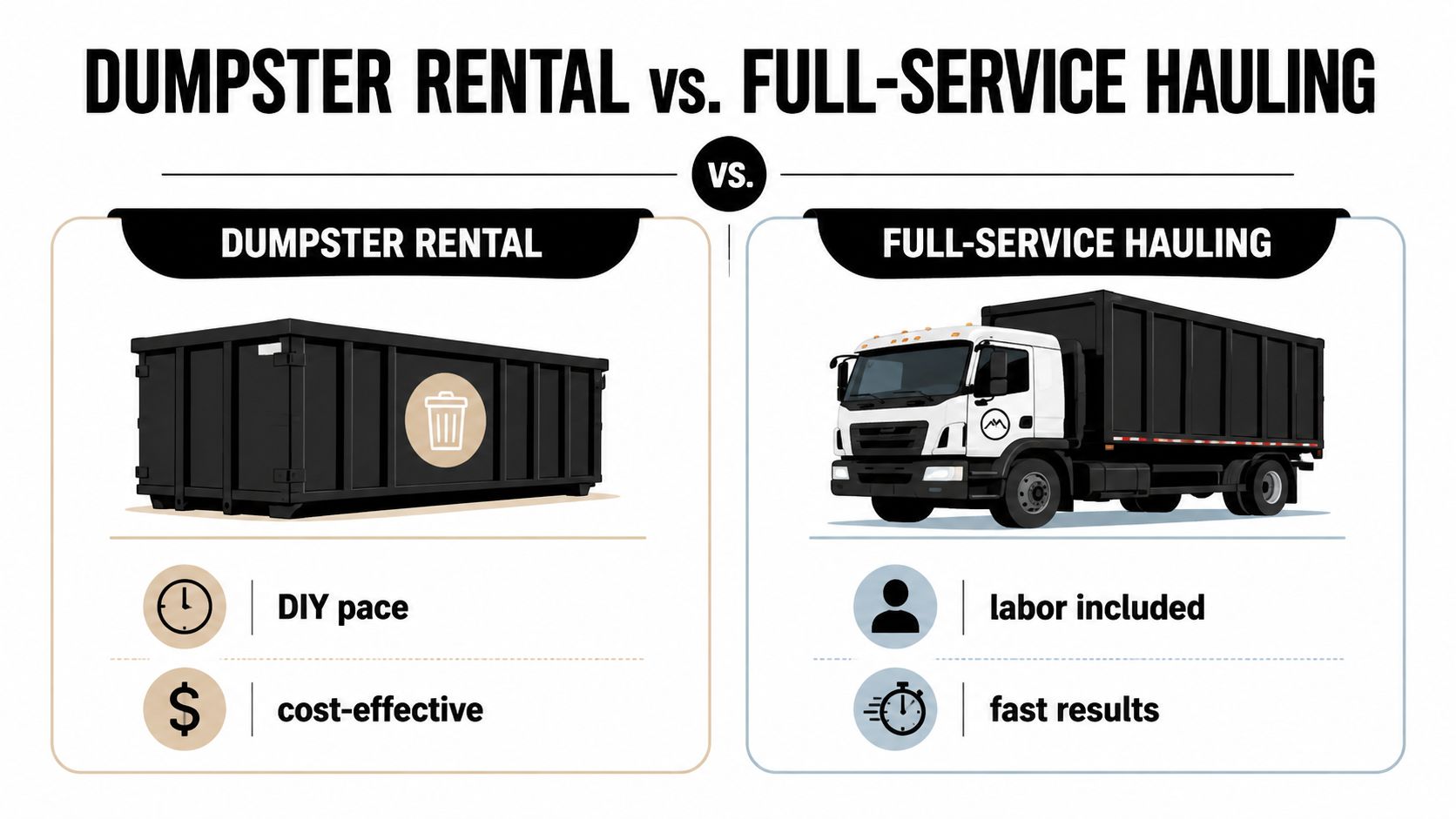
Most jobs in Hollister or Gilroy come down to two choices. You either want a container on site while you handle the loading, or you want a crew to remove everything for you.
The right answer depends less on the debris itself and more on your timeline, labor, access, and risk tolerance.
When dumpster rental makes sense
Dumpster rental fits jobs that are still active. If you're doing a multi-day renovation, a roofing project, or a tear-out in phases, having a container on site lets your crew work at its own pace.
It's also a practical choice when:
- You already have labor and don't need anyone else loading debris.
- The material is predictable such as drywall, lumber scraps, or packaging from an ongoing build.
- You want one drop-off point instead of stacking debris around the property.
A roll-off only works well if the placement area is right and the loading is controlled. This overview of what a roll-off dumpster is can help if you're deciding whether a container fits your site.
When full-service hauling is the better option
Full-service hauling fits cleanup jobs that need to move fast. If debris is scattered through rooms, piled behind a fence, mixed with non-construction junk, or left after a contractor has already moved on, labor matters more than container space.
MG Transportation & Hauling LLC is one local option for full-service junk removal, dumpster rental, demolition, and property cleanouts, which makes it relevant when the job involves both removal and labor rather than just dropping a bin.
This option is usually the better call when:
- Access is awkward and materials need to be carried out from a backyard, interior, or side yard.
- You need the site cleared quickly for inspection, turnover, or the next trade.
- The debris pile is mixed and you don't want to sort, lift, or make dump runs yourself.
If you're paying your own time, your own labor, and your own dump trips, the cheapest-looking option on paper may not be the simplest one in real life.
For readers comparing debris-heavy projects in other markets, this breakdown of the cost of soil removal in Sydney is useful because it shows the same basic truth you see here too: weight, access, and loading conditions change the job.
The risk side of the decision
A lot of people frame this as convenience versus savings. That's incomplete. In California, disposal decisions can also become a compliance issue.
If you know the debris came from an older structure, or you're not sure what got mixed into the pile, a professional hauling setup helps because someone has to decide what belongs in general debris and what doesn't. That's especially important when demolition debris includes old building materials that may need separate handling.
Preparing Your Site for Safe and Efficient Removal
A good removal day starts before the truck arrives. The cleaner the access, the faster the loadout goes, and the less chance there is of damage, delays, or somebody getting hurt.
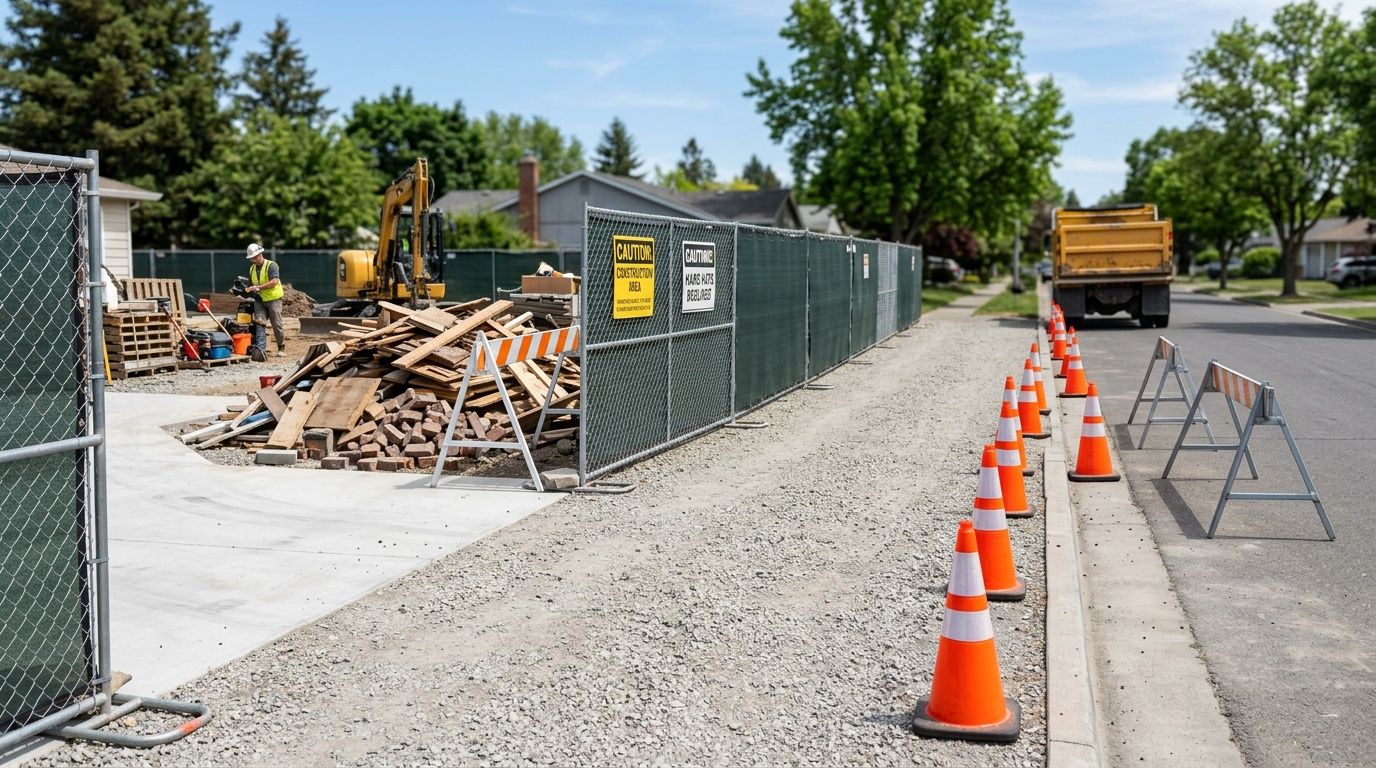
Get the site ready for trucks and crews
Walk the path from the street to the debris pile. Look for low branches, soft ground, parked cars, gates that don't open fully, loose pets, and anything fragile along the route.
If the pile is inside, clear hallways and doorways first. If it's outside, choose one loading area instead of leaving debris in several corners of the property.
Ask any hauling company these questions before booking:
- Are you loading only curbside material, or do you remove debris from inside the property too
- What access do you need for trucks, trailers, or dumpsters
- Do you want debris separated before arrival, or can your crew handle mixed loads
- How do you handle materials that can't go with general construction debris
- Are you insured for this type of job
People often focus only on removal, but site prep matters just as much. For a broader look at pre-construction work, this article on professional land clearing for local developers is a helpful reference because it shows how much project flow depends on access and staging.
Protect people and property
Construction debris has nails, sharp edges, dust, unstable stacks, and hidden weight. Treat it like a work zone until it's gone.
Wear gloves and sturdy footwear if you're moving anything yourself. Keep kids and pets out of the area, and don't stack debris against vehicles, fences, or fresh finishes that can be damaged during loading.
Leave enough room for a crew to work without twisting through tight gaps. Fast removal comes from clear access, not from rushing.
If the job also includes tear-out work before hauling, it helps to look at a practical example such as vinyl siding removal, where access, staging, and clean separation of material make the cleanup easier from the start.
Navigating Safety Regulations and Proper Disposal
Not all construction debris belongs in the same load. That's where a lot of expensive mistakes happen.
General debris might include drywall, wood scraps, flooring, tile, and broken fixtures. Hazardous or regulated material is different, and once that gets mixed into a pile, disposal gets harder and liability goes up.
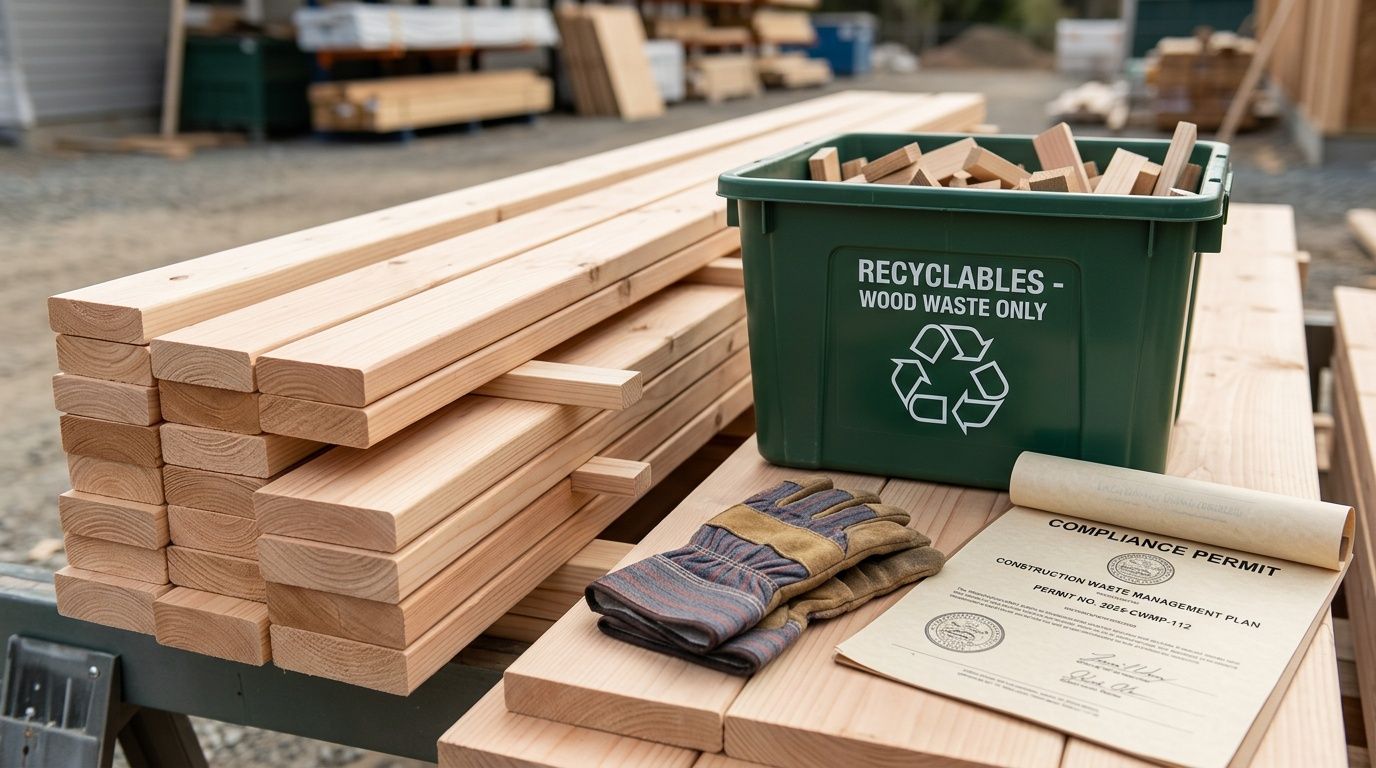
Older properties need extra caution
This matters a lot in Central California renovations. In California, Cal/OSHA and DTSC mandate certified handling for materials like asbestos. Improper disposal can lead to fines up to $175,000 per violation, and 40% of pre-1980 homes in Central California contain such materials, based on The Green Dumpster's discussion of construction debris disposal.
That means if you're cleaning up after work on an older home, garage, shop, or outbuilding, you shouldn't guess. Suspect insulation, textured material, old siding, and similar debris need a closer look before they go into a general mixed load.
What proper disposal looks like on a real job
Proper disposal isn't just "take it to the dump." It usually means:
- Separating clean general debris from anything questionable
- Holding back suspect material until it's identified
- Using the right facility for the type of waste
- Keeping records clear so there's no confusion about what was removed
If a hauler can't explain how they handle questionable material, that's a problem. You don't need a long speech from them. You need a direct answer.
A reliable answer sounds like this: we can remove standard construction debris, but if material appears to require certified handling, it needs to be separated and addressed correctly before general hauling continues.
Why licensing and insurance matter
Hiring a licensed and insured company isn't just a box to check. It's part of protecting your project, your property, and yourself if the debris turns out to be more complicated than it looked on day one.
If you aren't sure whether a material is ordinary debris or a regulated material, stop mixing it. That decision is cheaper to make early than late.
This is also where homeowners and contractors need to stay realistic. A trash pile can look like a hauling problem when it's partly a compliance problem. The right move is to identify that early instead of trying to bury it inside a mixed cleanup.
Hiring Checklist for Your Construction Trash Removal
Once you've narrowed your options, don't hire based on the first quick quote alone. Ask direct questions and listen for direct answers.
The company doesn't need to sound polished. They need to sound clear, prepared, and honest about what they can and can't take.
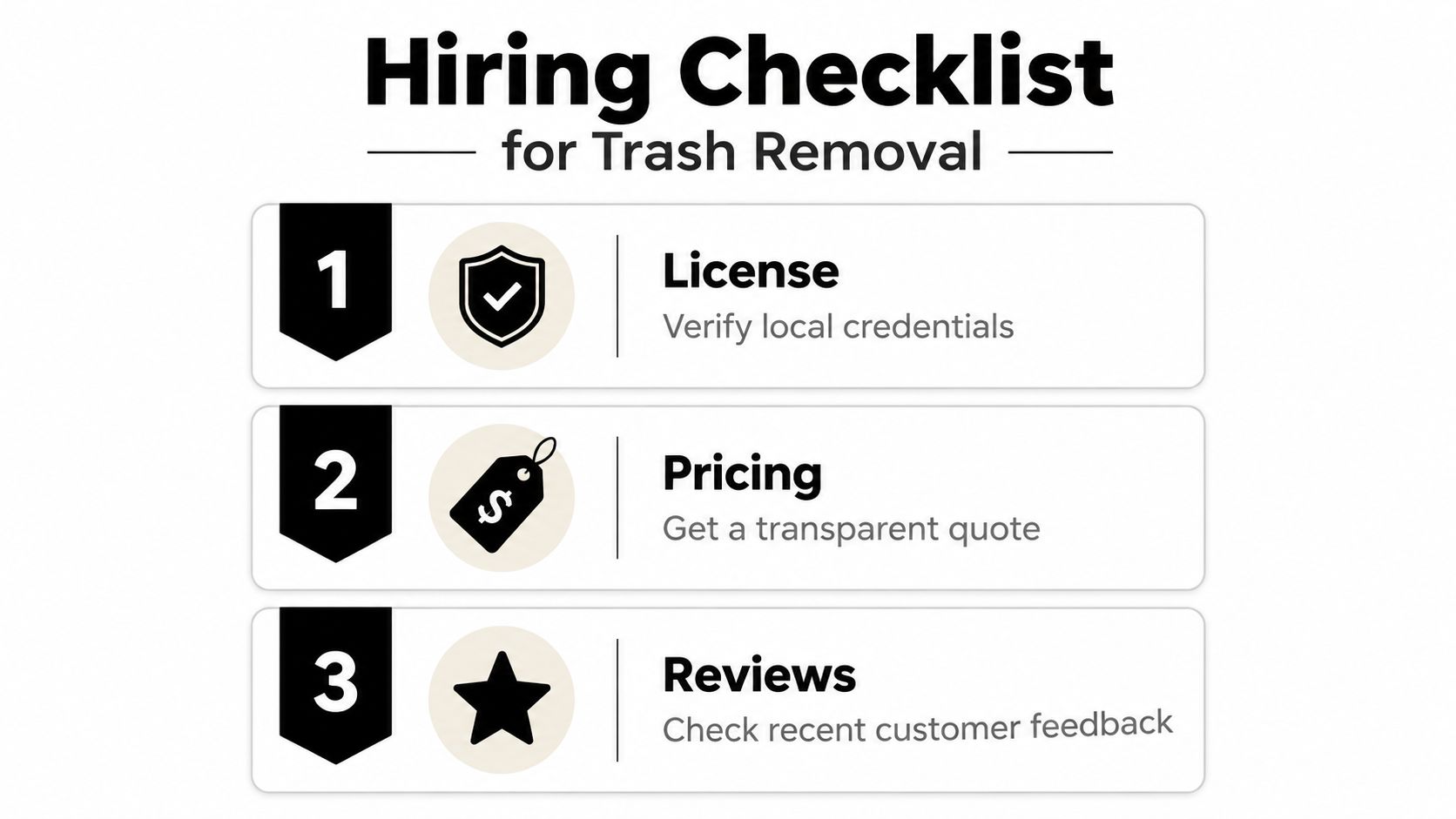
Questions worth asking before you book
Use this checklist when you're comparing providers in Hollister, Gilroy, San Benito County, or South Santa Clara County.
Are you insured for debris removal work like this
Don't leave that vague. Ask specifically about the kind of property and material involved.Have you handled this type of cleanup before
A kitchen remodel cleanup is different from a demolition pile, and both are different from an estate property with construction debris mixed in.How do you price the job
The main cost drivers are debris volume and weight, labor, and disposal fees, and hazardous materials can add a 20 to 50 percent premium, according to The Waste Box guide to construction debris removal cost. For that reason alone, the most useful estimates are based on seeing the job clearly.Should I get more than one quote
Yes. The same source notes that comparing quotes from at least three properly insured haulers can result in an average of 15 percent savings.What happens if you find material that shouldn't be loaded with general debris
You want a company that has a process, not a shrug.
What to look for beyond the estimate
Reviews help, but don't stop there. Look for evidence the company handles large cleanouts, demolition cleanup, or messy mixed loads, not just light household pickups.
If you want to see what completed jobs look like in practice, visit the MG Transportation & Hauling Success Stories page and compare that with the scope of your own cleanup. For another detailed look at how labor-included jobs are handled, this advanced guide to full-service junk removal for large cleanouts is also useful.
A good hire usually has three things:
- Clear communication about what they can remove
- A realistic plan for access and loading
- No hesitation when you ask about insurance, disposal, or mixed material issues
Frequently Asked Questions
How much does construction trash removal usually cost
It depends on the amount of debris, how heavy it is, how easy it is to reach, and whether labor is included. If anything in the pile needs special handling, that can change the estimate too. The best way to price it is to have the debris looked at clearly instead of guessing from a rough description.
Is dumpster rental better than full-service hauling
It depends on how you're working. Dumpster rental is usually the better fit when you want a container on site and plan to load it yourself over several days. Full-service hauling makes more sense when you want the debris gone fast and don't want to do the lifting.
Do I need to sort the debris before pickup
Not always, but some basic separation helps. Keeping heavy material apart from light mixed debris makes removal easier, and setting aside anything questionable is important on older properties. If you're not sure, ask before the appointment so the crew knows what they're walking into.
Can you take debris from an older home
General construction debris can often be removed, but older homes require more caution. If the job may involve asbestos or other regulated materials, those items need to be handled correctly and should not be mixed into ordinary debris.
Do I need to be there when the debris is removed
For many jobs, it's helpful to be there at the start so you can confirm exactly what goes and what stays. If the load is straightforward and access is clear, some jobs can be handled with prior coordination. The main thing is making sure the crew has a clear scope and safe access.
How fast can construction trash removal be scheduled
That depends on workload, access, and the type of debris. A simple pile in an open driveway is easier to schedule than a cleanup that involves interior carry-out, demolition debris, or older materials that need closer review. Calling early usually gives you more flexibility.
Ready to Clear Your Construction Debris
Construction trash removal is easiest when you treat it like part of the project, not an afterthought. Know what you're dealing with, choose the right removal method, prepare the site, and don't take chances with questionable material.
If you need help sorting out the next step for a cleanup in Hollister, Gilroy, or nearby areas, you can request an estimate or talk through the job details at (831) 297-1972, 1550 South St, Suite 102, Hollister, CA 95023, or mgtransportationhauling.com/.
If you'd like a straightforward estimate for your project, contact MG Transportation & Hauling LLC. They serve Hollister, Gilroy, San Benito County, and South Santa Clara County with dumpster rental, full-service junk removal, demolition, and property cleanouts.